

RFQ essentials
Define the garment first
Tell the supplier whether the fabric will be used for leotards, skirts, sleeves, leggings, team outfits or decorative panels. The more fitted the garment is, the more important 4-way stretch and recovery become.
Ask for technical details
A useful quotation should include width, weight, base material, stretch, MOQ, stock status and sample timing. For US buyers, dual units such as 150 cm / 59 in and 100 m / 109 yd make internal planning easier.
Compare stock and custom options
Stock options are faster for urgent collections or small test orders. Custom colors, gradient directions or print patterns can support a more specific design, but they need more sample approval time.
Test samples like production fabric
Stretch the sample, sew a small panel, check recovery and review the shine under stage lighting. This gives the buyer practical evidence before committing to a bulk order.
Confirm these points before you order
- Share garment type and movement requirement
- Ask for width, weight, stretch, MOQ and sample timing
- Confirm stock colors before requesting custom development
- Test sample stretch, sewing, recovery and surface effect
Turn this guide into a usable supplier request
Share the garment type, target look, stretch requirement and expected use environment.
Check color, hand feel, surface effect, stretch recovery and sewing behavior before bulk approval.
Include quantity, destination, timeline, custom needs and any testing or documentation requests.


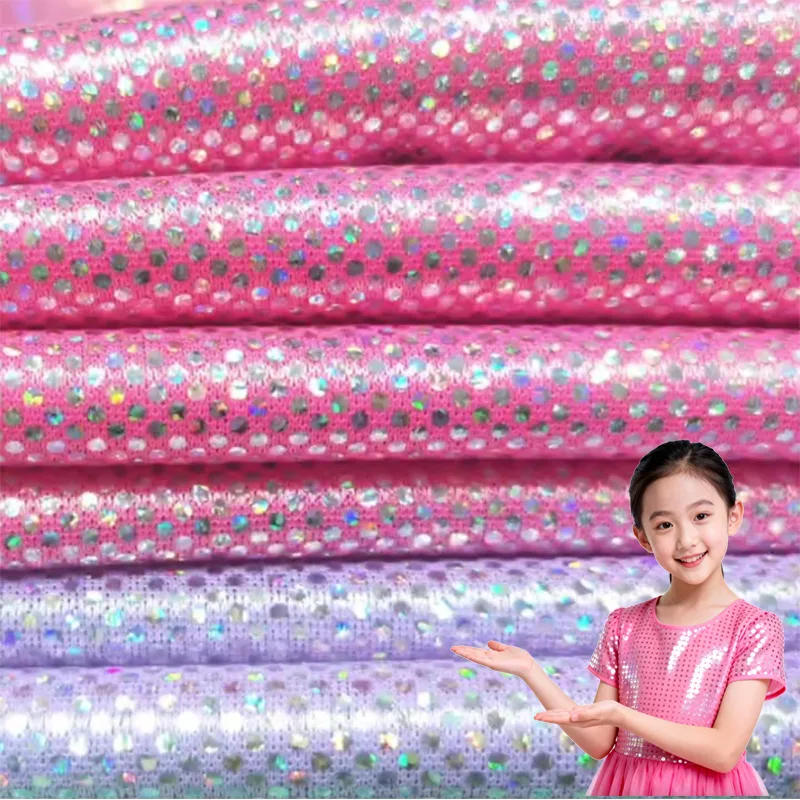
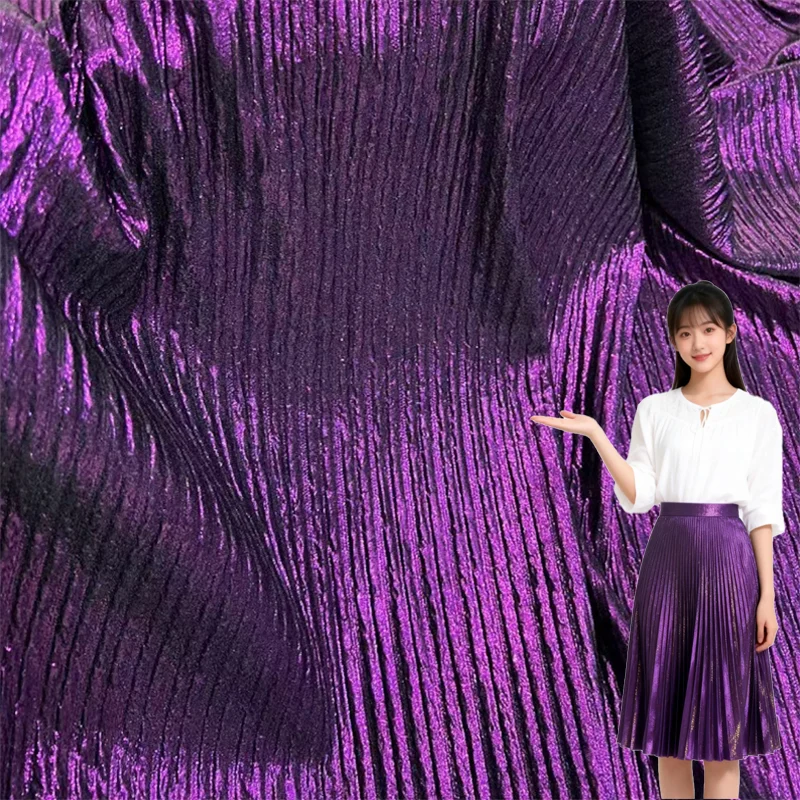
Before you request a quotation
What fabric is suitable for dancewear?
A stretch base such as spandex, stretch ice-silk or foil stretch knit is usually suitable when the garment needs movement and recovery.
What should a dancewear fabric RFQ include?
Include garment type, target color, estimated quantity, sample need, destination country and expected timeline.